Rosacea Safety Notice
Rosacea-prone skin can flare from fragrance, harsh exfoliating acids, menthol, camphor, alcohol-heavy formulas, heat, sun, and over-layering. Patch test new products, introduce one change at a time, and stop anything that causes burning, swelling, or a clear flare.
Moisturizers can support the barrier, but they do not replace medical rosacea care. See a dermatologist for persistent flushing, eye symptoms, painful bumps, worsening redness, or any suspected infection.
Quick Verdict
In This Article
What Rosacea-Prone Skin Actually Needs From a Moisturizer
Rosacea-prone skin is not just "sensitive" skin -- it can be reactive to fragrance, heat, UV exposure, over-exfoliation, and heavy-handed routines. A moisturizer cannot treat rosacea, but the right texture and ingredient profile can support comfort, reduce dryness, and make the rest of the routine easier to tolerate. The wrong one can sting or make visible redness look worse.
Four ingredient categories are especially useful to compare: ceramides and fatty acids for barrier support, niacinamide for a calmer-looking routine if tolerated, centella asiatica or allantoin for a soothing-feeling profile, and glycerin or hyaluronic acid for hydration without heavy occlusion. Every product on this list has at least three of those four.
Equally important is what isn't in the formula: no fragrance, no essential oils, no menthol, no alcohol denat, no witch hazel, no high-percentage acids. Every pick below passes that screen.
Quick Comparison
| Award | Product | Price | Best Feature | |
|---|---|---|---|---|
| Best Overall | La Roche-Posay Toleriane Double RepairTop Pick | ~$22 | Prebiotic thermal water + ceramide-3 | View |
| Best Fragrance-Free | Vanicream Daily Facial Moisturizer | ~$15 | No fragrance, dyes, parabens, or common allergens | View |
| Best Budget | CeraVe Moisturizing Cream | ~$17 | Three ceramides in a derm-recommended tub | View |
| Best for Flare-Ups | First Aid Beauty Ultra Repair Cream | ~$34 | Colloidal oatmeal + shea butter rich comfort | View |
| Best K-Beauty | COSRX Advanced Snail 92 | ~$19 | Snail mucin + peptides for capillary calming | View |
| Best for Night | CeraVe PM Facial Moisturizing Lotion | ~$16 | Niacinamide + ceramides in a lightweight lotion | View |
| Best Lightweight | Neutrogena Hydro Boost Water Gel | ~$13 | Hyaluronic acid gel -- no occlusive weight | View |
Our Top 7 Rosacea Moisturizers
1. La Roche-Posay Toleriane Double Repair Face Moisturizer -- Best Overall
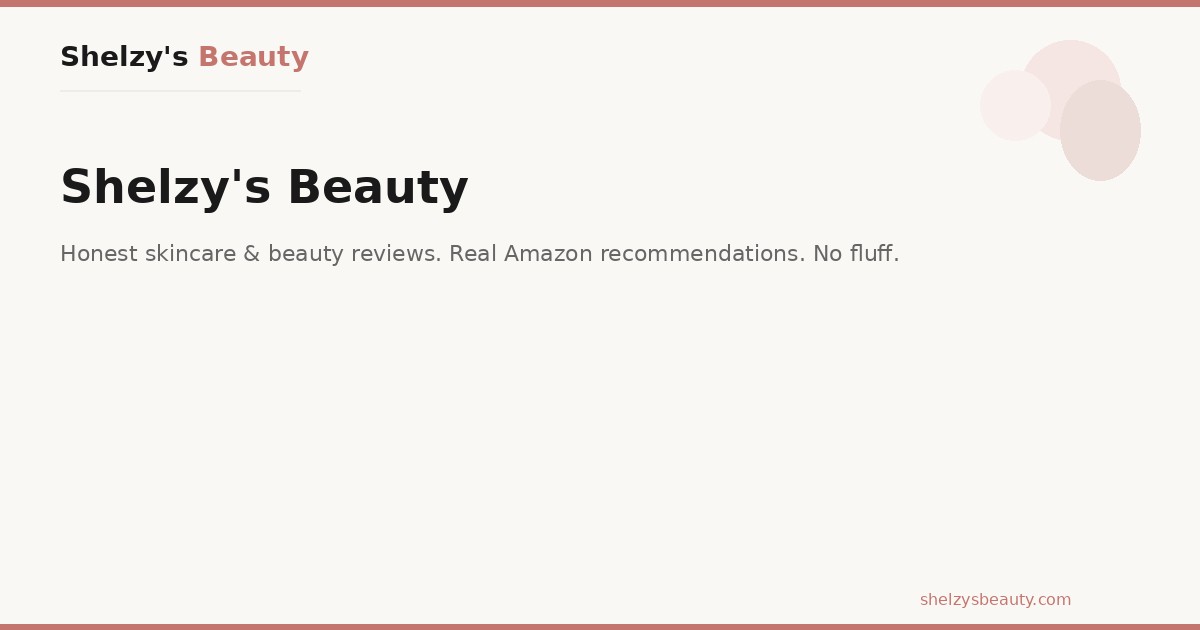
La Roche-Posay builds the Toleriane line for fragrance-free, sensitive-skin routines. Double Repair is the flagship moisturizer, pairing ceramide-3 and niacinamide with La Roche-Posay's thermal spring water in a medium-weight cream-lotion texture. For rosacea-prone skin, the appeal is the low-fragrance profile, barrier-support ingredients, and easy-to-layer finish.
The texture splits the difference between lotion and cream -- substantial enough to sit on the skin and block wind and cold, light enough to layer under sunscreen without pilling. No fragrance, no essential oils, no alcohol. If you can only buy one product on this list, buy this one.
2. Vanicream Daily Facial Moisturizer -- Best Fragrance-Free
Vanicream is a frequent recommendation in very minimal, fragrance-free routines. Its formulas omit many common contact allergens -- no fragrance, dye, parabens, lanolin, formaldehyde releasers, or benzalkonium chloride. If other "gentle" moisturizers have bothered your skin, a stripped-back formula like this can make it easier to simplify and troubleshoot.
The Daily Facial Moisturizer adds ceramides, squalane, and hyaluronic acid to that hypoallergenic base. It absorbs quickly, doesn't leave a film under makeup, and stays comfortable all day even in low-humidity winter air.
3. CeraVe Moisturizing Cream -- Best Budget
The barrier-cream tub people reach for when skin feels stripped. CeraVe's patented MVE (Multivesicular Emulsion) technology releases three ceramides and hyaluronic acid gradually, making it a practical overnight or winter cream. The formula is dense enough for dry weather and priced low enough that you can use it generously without flinching.
For rosacea-prone routines, ceramides are a logical support ingredient because a comfortable barrier is easier to keep calm. CeraVe is one of the most budget-friendly ways to add that ceramide-forward texture, but it still deserves a patch test during flares.
4. First Aid Beauty Ultra Repair Cream -- Best for Flare-Ups
Ultra Repair is the rich-cream option when skin feels dry, tight, or weather-stressed. Colloidal oatmeal is the hero ingredient here, paired with shea butter and allantoin for a cushiony, soothing-feeling profile. It is still a moisturizer, not a replacement for rosacea flare care from a clinician.
The texture is thick but not greasy -- more like a whipped balm than a traditional cream. It works best as a night cream or cold-weather layer when lighter lotions are not enough.
5. COSRX Advanced Snail 92 All in One Cream -- Best K-Beauty Pick
Snail mucin sounds gimmicky, but in skincare it usually functions as a cushiony humectant film with glycoproteins, hyaluronic-acid-like hydration, and a slippery finish. For rosacea-prone skin, the appeal is the lightweight comfort and low-oil feel. It is not a rosacea treatment, and anyone who reacts easily should patch test first.
COSRX's 92% concentration is among the highest on the market. The texture is gel-cream hybrid -- lighter than CeraVe Cream, more substantial than Hydro Boost -- which makes it well-suited to combination rosacea skin that's simultaneously dehydrated and oily in the T-zone.
6. CeraVe PM Facial Moisturizing Lotion -- Best for Night
If the CeraVe tub cream is too heavy for you -- particularly in summer or for oily rosacea-prone skin -- CeraVe PM offers ceramides in a much lighter vehicle with added niacinamide. Niacinamide can support a calmer-looking routine for some people, but it can also bother others, so patch testing matters.
"PM" in the name is marketing -- the formula can be used in a morning routine too -- but without SPF, it's best paired with a dedicated mineral sunscreen during the day.
7. Neutrogena Hydro Boost Water Gel -- Best Lightweight
For hot-weather rosacea-prone skin or skin that's on the oilier end of combination, even CeraVe PM can feel heavy. Hydro Boost is a hyaluronic-acid gel -- no heavy occlusives, no oils, just water, glycerin, and HA. It absorbs quickly and feels almost weightless.
The fragrance-free version is the one to buy -- the original Hydro Boost is lightly scented and not suitable for rosacea-prone skin.
How to Apply Moisturizer Without Triggering a Flare
How you apply matters almost as much as what you apply. Rosacea-prone skin reacts to friction, temperature, and pressure -- three things most people unknowingly do every morning.
Apply to damp skin. Within 60 seconds of cleansing, while skin still feels slightly wet. The moisturizer traps water that's already in the stratum corneum rather than needing to pull it from deeper tissue.
Press, don't rub. Use flat fingertips to press the product in with light downward strokes. Rubbing can create friction, and friction can make redness-prone skin look more irritated.
Use tepid water to cleanse. Hot water is one of the most reliable rosacea triggers. Keep it the temperature of a warm drink, not a hot shower.
Layer in the right order. Thinnest to thickest: essence or toner → serum (if any) → moisturizer → SPF. Wait 30-60 seconds between layers.
Always SPF. UV exposure is a common rosacea trigger and can worsen visible redness over time. A mineral sunscreen (zinc oxide or titanium dioxide) on top of your moisturizer every morning is a strong daily baseline.
Frequently Asked Questions
Commonly reported triggers include fragrance, essential oils, menthol, camphor, peppermint, eucalyptus, alcohol denat, witch hazel, and stronger exfoliating acids. Triggers are individual, so patch test and stop if a product causes burning, swelling, or worsening redness.
Many rosacea-prone routines do better with a cream or medium-weight lotion than a gel, because occlusives and emollients can reduce moisture loss and cushion the skin. Oily rosacea-prone skin may prefer a medium-weight, fragrance-free lotion.
Ask your dermatologist or licensed clinician before adding retinol to a rosacea-prone routine. Retinoids can worsen flushing or irritation for some people, especially during flares. If cleared to try one, start very slowly and stop if redness, burning, or irritation worsens.
Most routines start with morning and night moisturizing on slightly damp skin if tolerated. A midday reapplication can help if skin feels tight, but product tolerance matters more than layering more steps.
Yes. UV exposure is a common rosacea trigger, and SPF is still important. A moisturizer with built-in SPF can count only if you apply enough; many people underapply. For outdoor exposure, use a dedicated broad-spectrum sunscreen and reapply as directed.