Retinoid Safety Notice
Retinol and adapalene can cause irritation, peeling, purging, and sun sensitivity. Start low and slow, use at night, moisturize, and wear SPF every morning. Do not layer retinoids with AHAs, BHAs, benzoyl peroxide, or strong vitamin C until your skin is stable.
Avoid retinoids during pregnancy or nursing unless your clinician specifically clears them. Ask a dermatologist before starting if you use prescription actives, have eczema, rosacea, active acne flares, compromised skin, or a history of strong retinoid reactions.
Quick Verdict
In This Article
Why Retinol Is Worth It (and Why Most Beginners Quit Too Soon)
Retinol is one of the best-supported OTC anti-aging ingredients in skincare. The case for it is not marketing alone: retinoids have decades of research behind collagen support, cell turnover, fine lines, hyperpigmentation, and clogged pores. No other OTC ingredient covers that much territory.
The reason most beginners fail with retinol is simple: they start too strong, use it too often, and give up during the "purge" phase when skin gets dry, flaky, or temporarily broken out. This is normal. It's your skin adjusting to a dramatically increased cell turnover rate. The mistake is quitting at week three when results typically start appearing at week six.
The products on this list are specifically chosen for beginners — lower concentrations, gentler delivery systems, and formulas designed to make the adjustment period more manageable while still supporting visible texture and tone goals.
Quick Comparison
| Award | Product | Price | Best Feature | |
|---|---|---|---|---|
| Best Overall | CeraVe Resurfacing Retinol SerumTop Pick | ~$19 | Encapsulated retinol + ceramides | View |
| Best Drugstore | RoC Retinol Correxion Capsules | ~$22 | Single-use capsules, air-free delivery | View |
| Best Gentle | La Roche-Posay Retinol B3 Serum | ~$33 | Pure retinol + niacinamide for sensitivity | View |
| Best Budget | The Ordinary Retinol 0.2% in Squalane | ~$8 | No-frills retinol at an unbeatable price | View |
| Best for Acne | Differin Adapalene Gel 0.1% | ~$13 | OTC retinoid specifically for acne | View |
| Best Night Cream | Olay Regenerist Retinol 24 Night Cream | ~$28 | Retinol + vitamin B3, no rinsing needed | View |
| Best K-Beauty | COSRX The Retinol 0.1 Cream | ~$16 | Ultra-low concentration, minimal irritation | View |
Our Top 7 Retinol Picks for Beginners
1. CeraVe Resurfacing Retinol Serum — Best Overall
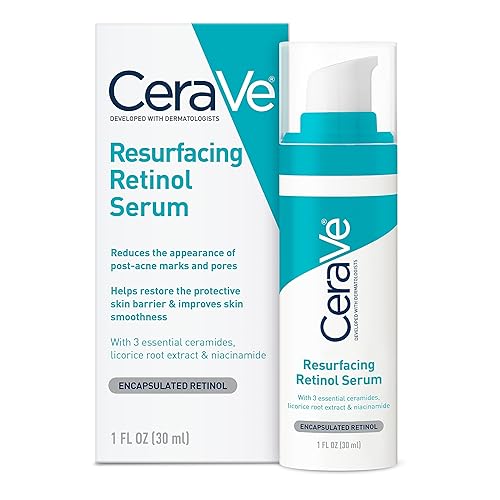
CeraVe's Resurfacing Retinol Serum is the most beginner-friendly retinol on Amazon for one key reason: the retinol is encapsulated. Encapsulation means the retinol is coated in a protective shell that releases slowly into the skin over time, dramatically reducing the irritation, peeling, and redness that derail most new retinol users. You still get the results — just with fewer side effects.
The formula also includes three essential ceramides to repair the skin barrier while retinol works, niacinamide to address post-acne dark spots, and licorice root extract for brightening. This isn't just a retinol delivery system — it's a full resurfacing treatment in one bottle.
2. RoC Retinol Correxion Line Smoothing Capsules — Best Drugstore
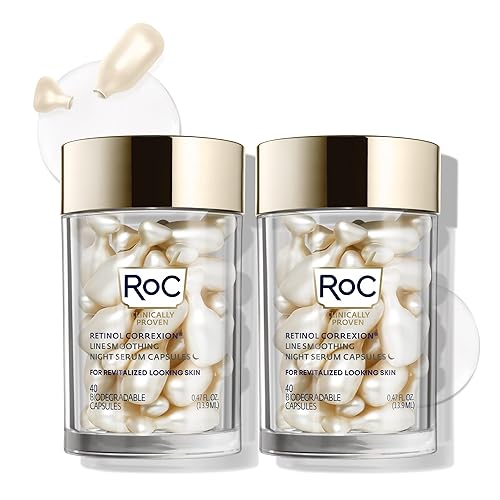
RoC pioneered retinol in the drugstore space, and their single-use capsule format is one of the smartest delivery innovations for beginners. Each capsule contains a pre-measured dose of pure retinol suspended in a blend of vitamin E and other antioxidants. Because the formula is sealed in a single-use capsule, it is protected from repeated air and light exposure, which can degrade retinol over time.
The single-dose format also solves a common beginner problem: using too much. Each capsule contains a pre-measured amount for one face application, which removes some guesswork and helps reduce the tendency to overuse.
3. La Roche-Posay Pure Retinol Face Serum with Vitamin B3 — Best Gentle
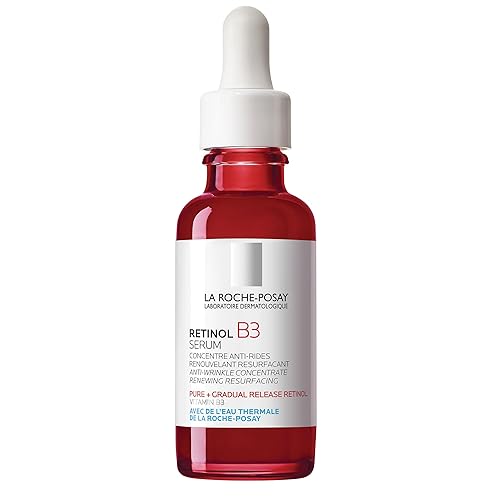
La Roche-Posay's dermatological formulas are designed with sensitive skin as the baseline, not an afterthought. Their Retinol B3 Serum combines pure retinol with vitamin B3 (niacinamide), which is clinically shown to offset the inflammatory response that retinol typically triggers. The result is a retinol product that's both effective and significantly more tolerable for those with reactive or easily-irritated skin.
The serum comes in two concentrations — 0.1% and 0.3% — making it easy to start low and graduate up as your skin adapts. The thermal spring water base and hyaluronic acid keep skin hydrated throughout the adjustment phase.
4. The Ordinary Retinol 0.2% in Squalane — Best Budget
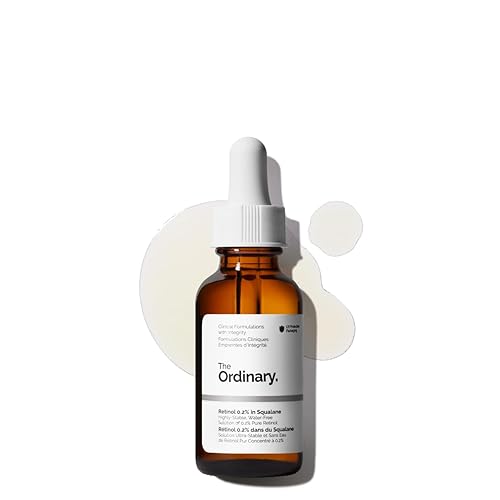
The Ordinary built their brand on one premise: clinically effective ingredients at honest prices. Their Retinol 0.2% in Squalane delivers exactly what it says — pure retinol at 0.2% concentration suspended in squalane, a lightweight emollient that buffers the skin and reduces dryness during the adjustment phase. At around $8, there is no comparable product on the market for the price.
The 0.2% concentration is ideal for beginners — strong enough to drive results, gentle enough that most people can tolerate it 2-3 nights per week from the start. Once comfortable, you can step up to The Ordinary's 0.5% or 1% formulas on the same budget.
5. Differin Adapalene Gel 0.1% — Best for Acne-Prone Skin
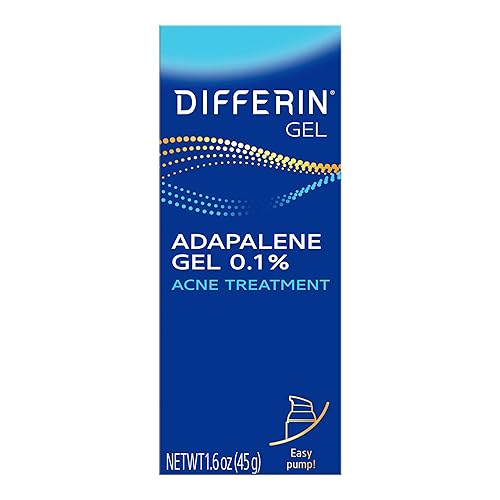
Differin is technically not retinol -- it's adapalene, a synthetic retinoid that moved from prescription-only to OTC sale for acne. For acne-prone skin, adapalene has clearer acne-treatment positioning than cosmetic retinol because it is used to help keep pores from clogging.
The 0.1% concentration is the OTC version many acne routines are built around. It can still cause dryness, irritation, and an adjustment period, so beginners should introduce it slowly and avoid stacking it with acids at first.
6. Olay Regenerist Retinol 24 Night Moisturizer Cream — Best Night Cream
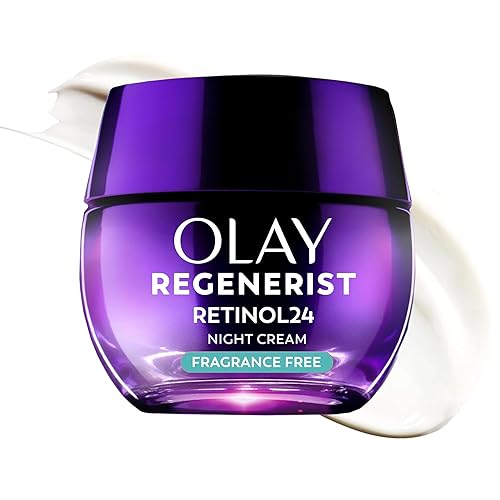
If separate serum and moisturizer steps feel like too much, Olay's Retinol 24 Night Cream combines both into one. The formula delivers retinol alongside vitamin B3 (niacinamide) and amino-peptides in a rich, hydrating cream base that works overnight. The "24" in the name refers to the 24-hour hydration claim — and the moisturizer genuinely does double duty by keeping skin comfortable through the retinol adjustment phase.
For beginners who want a simple, one-product routine, this is the most approachable entry point. No serum. No layering. Just cleanser, this cream, and SPF in the morning.
7. COSRX The Retinol 0.1 Cream — Best K-Beauty Pick
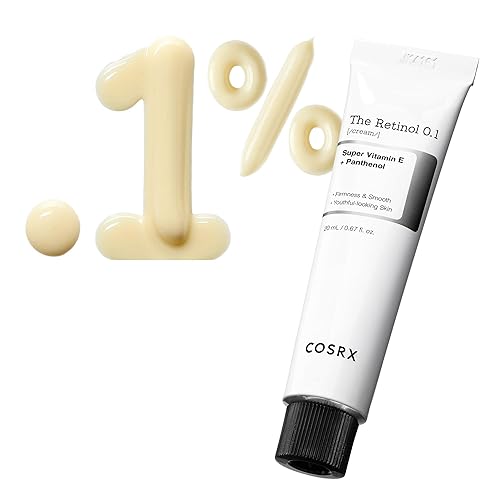
Korean skincare approaches retinol differently than Western brands — lower concentrations, gentler formulas, and more emphasis on barrier support alongside active treatment. COSRX's The Retinol 0.1 Cream embodies this philosophy. At 0.1%, the retinol concentration is ultra-low, making this the most forgiving entry point of any product on this list.
The cream base includes adenosine (an anti-aging ingredient common in K-beauty), panthenol for soothing, and a blend of plant oils that keep skin comfortable. If you've failed at retinol before due to irritation — this is the restart option.
How to Start Retinol Without Wrecking Your Skin
The number one beginner mistake is using retinol too much, too soon. Here's the protocol that works:
Week 1–2: Apply retinol once per week, on a clean, dry face, at night. Use a pea-sized amount — seriously, a pea. More is not better and will just increase irritation without improving results.
Week 3–4: Move to twice per week if your skin is tolerating it well (no significant flaking, tightness, or redness). Follow with moisturizer immediately after — or use the "sandwich method" (moisturizer, then retinol, then moisturizer) if your skin is very reactive.
Week 5–8: Build to three nights per week. By now, most people have passed the adjustment phase and the benefits are starting to compound.
Every morning: Wear SPF 30 or higher, no exceptions. Retinol increases sun sensitivity. This is non-negotiable.
Do not layer retinol with AHAs, BHAs, or vitamin C on the same night. Use those actives on alternate nights, or in the morning.
Frequently Asked Questions
Yes, if you start with a low concentration (0.025%–0.1%) and use it 2–3 nights per week at first. Give your skin 4–6 weeks to adjust before increasing frequency. Encapsulated retinol formulas like CeraVe and RoC are especially well-tolerated by beginners.
At night, after cleansing and any water-based serums, before moisturizer. Never apply retinol in the morning — it degrades in sunlight and makes skin significantly more sun-sensitive. Always wear SPF the following day.
Most beginners notice smoother skin texture within 4–6 weeks. Visible anti-aging results — reduced fine lines, improved firmness — typically take 3–6 months of consistent use. Hyperpigmentation can start fading around the 8–12 week mark.
Both are retinoids but work differently. Retinol converts to retinoic acid in the skin for anti-aging benefits. Adapalene (Differin) is a third-generation retinoid specifically formulated for acne — it's less irritating than retinol and targets clogged pores more directly. For anti-aging, choose retinol. For acne, adapalene is often the better starting point.
Use retinol on its own at night, separate from AHAs, BHAs, and vitamin C (use those on alternate nights or in the morning). Niacinamide and hyaluronic acid can be layered with retinol safely and help reduce irritation. Always moisturize after retinol to buffer the skin.