Active Ingredient Safety Note
This routine uses BHA and adapalene on alternating nights. Do not use them in the same application, do not apply to broken or severely irritated skin, and use SPF every morning. If you have rosacea flares, eczema flares, active infection, pregnancy concerns, or prescription acne treatment, get clinician guidance before starting.
Quick Verdict
In This Article
What Oily Skin Actually Needs (and Doesn't)
The standard instinct for oily skin is to strip it down -- harsh cleansers, clay masks, astringent toners, mattifying products, skipping moisturizer entirely. All of that is wrong, and most of it makes the problem worse.
Sebaceous glands operate on a feedback loop. When you remove oil aggressively, your skin reads that as a barrier emergency and increases sebum production to compensate. This is why people who strip their skin most aggressively are often the oiliest. The solution is counterintuitive: treat oily skin gently, hydrate it consistently, and use specific actives (BHA, niacinamide, retinoids) to regulate oil production from within.
Three ingredient categories matter for oily skin: salicylic acid (BHA) to work inside oily pores, niacinamide to support a less greasy-looking finish, and retinoids (adapalene or retinol) for acne-prone texture and cell-turnover support. Everything else in your routine should support -- not fight -- these three.
The Morning Routine
Step 1: Cleanse with CeraVe Foaming Facial Cleanser -- 30 seconds, lukewarm water. This is a sulfate-free gel that removes overnight sebum without stripping.
Step 2: Apply The Ordinary Niacinamide 10% + Zinc 1% to damp skin. Press in with flat fingertips. Wait 60 seconds.
Step 3: Apply CeraVe PM Facial Moisturizing Lotion (yes, even in the morning -- it's a pump lotion light enough for AM).
Step 4: Finish with EltaMD UV Clear SPF 46. A quarter-teaspoon for face and neck.
Total morning time: ~4 minutes. Total cost per day when amortized across product lifetimes: under $1.
The Evening Routine
Step 1: Double-cleanse. Oil cleanser first (to dissolve SPF), then CeraVe Foaming Facial Cleanser.
Step 2: Apply Paula's Choice 2% BHA Liquid Exfoliant to dry skin with a cotton pad or fingertips. 4-5 nights per week once tolerance is built. Wait 15-20 minutes.
Step 3: On alternate nights (not the same nights as BHA), apply Differin Adapalene Gel 0.1%. Pea-sized amount. Start 1-2 nights per week and build up to 4.
Step 4: Apply CeraVe PM Moisturizing Lotion. On retinol nights, this doubles as a buffer -- apply generously.
Step 5 (as needed): On active breakouts, apply a COSRX Acne Pimple Master Patch to the spot overnight. Leave on 6-8 hours.
Total evening time: ~8 minutes including wait periods. The wait between BHA and moisturizer is non-negotiable -- applying moisturizer too quickly neutralizes the BHA.
Quick Comparison
| Step | Product | Price | When to Use | |
|---|---|---|---|---|
| Cleanse | CeraVe Foaming Facial CleanserTop Pick | ~$16 | AM + PM | View |
| Exfoliate | Paula's Choice 2% BHA | ~$34 | PM, 4-5x/week | View |
| Treat | The Ordinary Niacinamide 10% + Zinc | ~$7 | AM | View |
| Moisturize | CeraVe PM Moisturizing Lotion | ~$16 | AM + PM | View |
| Protect | EltaMD UV Clear SPF 46 | ~$41 | AM | View |
| Retinoid | Differin Adapalene Gel 0.1% | ~$13 | PM, alt-nights | View |
| Spot Treat | COSRX Acne Pimple Master Patches | ~$6 | As needed | View |
Total product math: the full seven-product set in the table is about $133. The daily core routine without the optional BHA and pimple patches is about $93, and the lower per-day cost comes from the products lasting multiple months.
The 7 Products in Detail
1. CeraVe Foaming Facial Cleanser -- The Cleanse Step
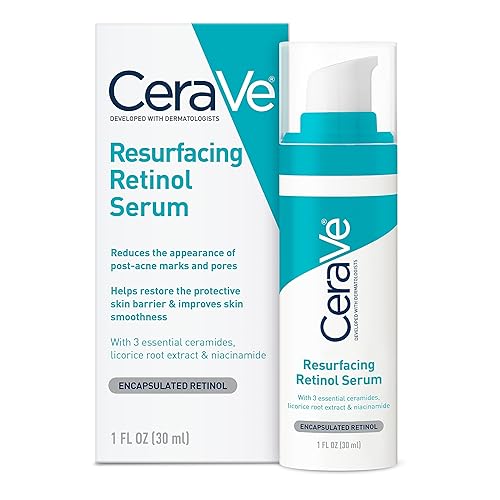
Oily skin needs a cleanser that actually removes sebum -- but not one that strips the barrier. CeraVe Foaming Facial Cleanser hits the narrow window: it foams (which most oily-skin users prefer psychologically), but it does so with amino-acid surfactants, not sulfates. The formula includes three ceramides and niacinamide, so even while cleansing you're delivering barrier support.
2. Paula's Choice 2% BHA Liquid Exfoliant -- The Exfoliate Step
This is the single most impactful product on this list. Salicylic acid is lipophilic -- it dissolves in oil, which means it penetrates into sebum-filled pores where water-soluble exfoliants (glycolic, lactic) can't reach. The Paula's Choice formulation is at 2% concentration, pH-balanced to the 3.0-4.0 range where salicylic acid is most active, and in a leave-on format that gives the active time to work.
Results build gradually. With consistent use, many users report fewer clogged pores, smoother texture, and a less congested look over several weeks.
3. The Ordinary Niacinamide 10% + Zinc 1% -- The Treat Step
Niacinamide at 5-10% is a useful oily-skin active for supporting a less greasy-looking finish, smoother-looking pores, and barrier function. Add zinc, and you have a high-impact active pairing for oily routines. At $7, The Ordinary's version is a strong value alternative to prestige-brand niacinamide serums that cost 10x as much.
Apply to damp skin in the morning. Skip on nights you use BHA or retinoids -- stacking too many actives triggers irritation even on oily, resilient skin.
4. CeraVe PM Facial Moisturizing Lotion -- The Moisturize Step
The universal oily-skin moisturizer. The "PM" in the name is misleading -- this is a lightweight pump lotion that works AM and PM. The base includes three ceramides, hyaluronic acid, and niacinamide (meaning you get an extra hit of sebum regulation through your moisturizer). Non-comedogenic, non-greasy, and absorbs fast under SPF.
For oily skin, the two features that matter are: (1) it doesn't pill under SPF, and (2) it doesn't make you shiny at lunch. This one passes both tests.
5. EltaMD UV Clear Broad-Spectrum SPF 46 -- The Protect Step
EltaMD UV Clear is a strong sunscreen choice for acne-prone and oily skin. The formula is a hybrid chemical-mineral (with 9% zinc oxide) that delivers broad-spectrum SPF 46 in a lightweight, non-greasy lotion. It includes niacinamide (compounding with your serum and moisturizer) and is fully non-comedogenic.
No white cast, no pilling, no shine. If you've ever had an oily-skin meltdown with sunscreen pilling under makeup at 10 AM, this solves it.
6. Differin Adapalene Gel 0.1% -- The Retinoid Step
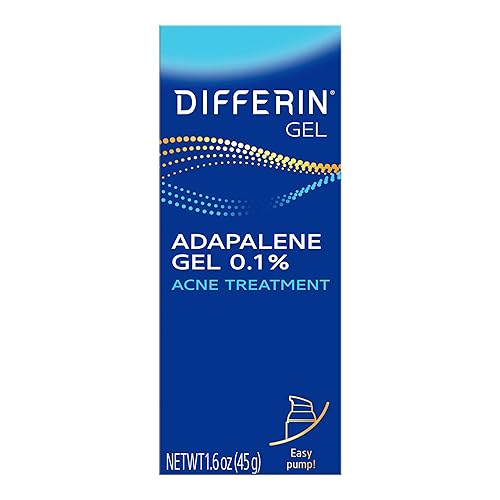
Adapalene is the topical retinoid specifically FDA-approved OTC for acne. It supports normal cell turnover and helps keep pores from clogging, which makes it a better oily, acne-prone pick than a cosmetic retinol for many routines.
Some users experience a temporary adjustment phase with dryness, irritation, or more visible clogged pores. Start slowly, moisturize, and stop or ask a dermatologist if irritation is persistent or acne worsens.
7. COSRX Acne Pimple Master Patches -- The Spot Treat Step
Hydrocolloid patches use the same dressing-material concept found in wound care: they absorb fluid and create a protective cover. Applied to a whitehead or surface blemish, they can absorb visible fluid and make picking less tempting. For oily skin that's prone to picking-induced marks, that protective barrier is the real value.
One 24-pack costs around $6 and lasts 2-3 months with typical use.
Frequently Asked Questions
Oily skin is primarily genetic -- your sebaceous glands are larger and more productive than average. Hormones (testosterone in particular) drive how much sebum they produce. Environmental triggers like heat, humidity, stress, and high-glycemic diets amplify production. Over-cleansing and over-drying also paradoxically cause more oil production as the skin tries to compensate.
No -- this is the most damaging myth in oily-skin skincare. Skipping moisturizer signals your skin that it needs to produce more oil to compensate, which makes the problem worse. Use a lightweight, non-comedogenic gel or lotion moisturizer morning and night.
Start with 2-3 nights per week and increase to every other night as tolerated. A leave-on BHA is oil-soluble, which means it penetrates into sebum-filled pores where water-soluble AHAs cannot reach. Most oily-skin users eventually settle at 4-5 nights per week.
Yes, if your skin tolerates it. Retinol or adapalene can support oily, acne-prone routines by helping with clogged pores over time. Start 1-2x per week and work up slowly, reducing frequency if dryness or irritation builds.
Marginally. Proper hydration supports overall skin function, but drinking more water doesn't meaningfully reduce sebum production -- that's controlled by hormones and genetics. The skin-side hydration from your moisturizer has a much bigger impact on oil regulation than water intake.