Quick Verdict
In This Article
The Key Difference Between CeraVe and Cetaphil
Both brands are fragrance-free drugstore staples built for sensitive skin. If you're choosing between them, the difference comes down to philosophy — not quality.
CeraVe is the ingredient-support brand. Its formulas are built around ceramides -- lipids that are part of the skin barrier and can be depleted by weather, over-cleansing, and harsh routines. CeraVe's patented MVE (Multivesicular Emulsion) technology releases moisturizing ingredients gradually throughout the day, supporting the barrier while hydrating. Think barrier-support positioning, not medical treatment.
Cetaphil is a gentle brand. Their formulas prioritize minimal, low-drama ingredient lists. Cetaphil's core philosophy is "first, do no harm" -- reduce the chance of reaction for sensitive-skin users. Their products are soothing-feeling and generally well-tolerated by many people, but they don't deliver the same ceramide-forward barrier-support positioning that CeraVe does.
For most people with dry-feeling or barrier-stressed skin, CeraVe is the more targeted choice. For those with very reactive or allergy-prone skin where any extra ingredient can be a problem, Cetaphil's simplicity is the advantage.
Round 1: Moisturizers
This is the core comparison most people are making. Let's go product by product.
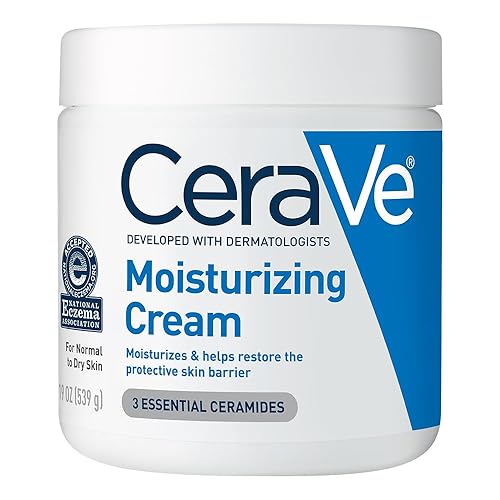
CeraVe Moisturizing Cream
Cetaphil Moisturizing Cream
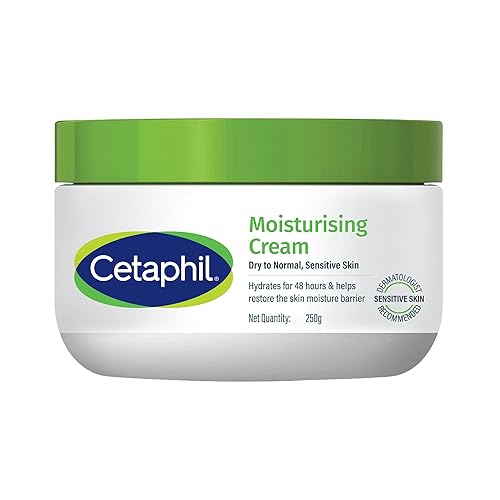
Verdict: CeraVe Moisturizing Cream wins for most dry-feeling routines. The ceramide technology gives it a more targeted barrier-support angle than Cetaphil's cream, which relies on more traditional emollients. The value is also often better, but check the current Amazon unit price before buying.
Round 2: Cleansers
The cleanser decision is where Cetaphil's simplicity becomes a genuine advantage for some skin types.
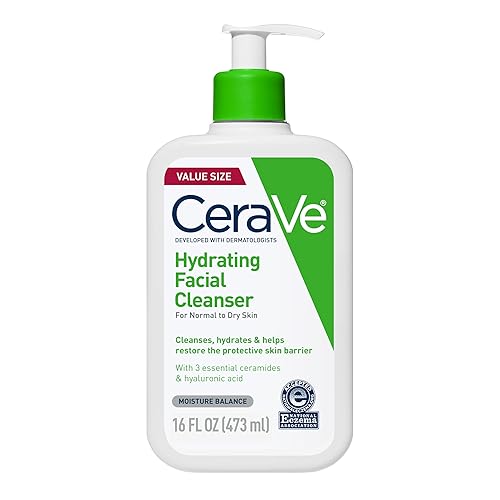
CeraVe Hydrating Facial Cleanser
Cetaphil Gentle Skin Cleanser
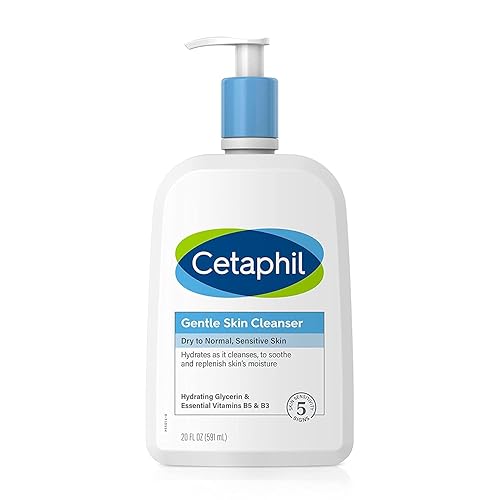
Verdict: CeraVe wins for everyday use if you want a non-stripping cleanser with barrier-support ingredients. Cetaphil wins when a very simple cleanser is the priority, especially if you are simplifying your routine after irritation.
Round 3: SPF Moisturizers
Daily SPF is non-negotiable. Both brands offer SPF-integrated moisturizers — here's how they stack up.
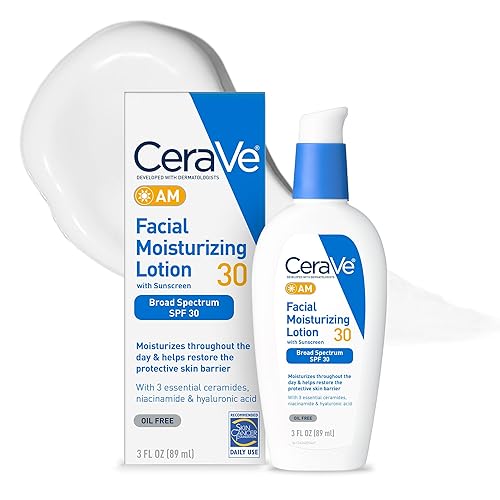
CeraVe AM Facial Moisturizing Lotion SPF 30
Cetaphil Daily Facial Moisturizer SPF 50
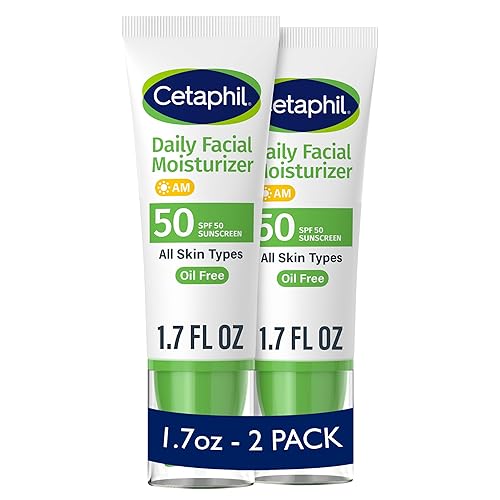
Verdict: Depends on your priority. CeraVe AM wins if you want ceramides + niacinamide + SPF in one morning product. Cetaphil wins if the higher SPF number is your main priority. If you're already using a dedicated moisturizer, Cetaphil's SPF 50 layered over it is a solid choice.
Which Brand Wins by Skin Type
Our recommendations by skin type:
- Dry skin: CeraVe. The ceramide-based moisturizer supports the barrier feel while hydrating. CeraVe Moisturizing Cream is the top pick here.
- Oily or acne-prone skin: CeraVe can work, especially the lighter PM Lotion, but introduce slowly and do not treat either brand as acne treatment.
- Sensitive but otherwise healthy skin: Either can work. CeraVe provides more barrier-support ingredients; Cetaphil provides more ingredient minimalism.
- Extremely reactive or allergy-prone skin: Cetaphil is often the simpler starting point because the formulas have fewer moving parts. If you are post-procedure or actively flaring, follow your clinician's product instructions.
- Combination skin: CeraVe. Use the Hydrating Facial Cleanser and CeraVe PM Lotion — lightweight enough for the T-zone, effective enough for dry cheeks.
- Eczema-prone skin: CeraVe has National Eczema Association accepted products, which is useful context, but flares, cracking, bleeding, or persistent irritation belong with clinician guidance.
Frequently Asked Questions
CeraVe is often the better fit for dry-feeling skin because its ceramide-forward formulas support the moisture barrier while hydrating. Cetaphil can still be a good choice when you want a simpler, lower-drama ingredient list. For eczema flares, painful cracking, or persistent irritation, ask a licensed clinician instead of treating a moisturizer as medical care.
Both brands have fragrance-free options that many sensitive-skin routines tolerate, but neither is guaranteed non-reactive. Cetaphil is often the simpler starting point for very reactive skin; CeraVe is useful when you want ceramides and barrier-support ingredients. Patch test and introduce one new product at a time.
Yes. Many routines pair a Cetaphil cleanser with a CeraVe moisturizer, or vice versa. Introduce one product at a time so you can tell what your skin tolerates, especially if you are acne-prone, rosacea-prone, or recovering from irritation.
CeraVe may fit some acne-prone routines because several formulas are non-comedogenic and include barrier-support ingredients. Cetaphil's Gentle Cleanser is also a low-drama option. Neither brand should be treated as acne treatment; persistent, painful, or scarring acne should be discussed with a dermatologist or licensed clinician.
Both are similarly priced drugstore brands. CeraVe often looks like a stronger value in larger sizes, while Cetaphil can be cheaper in basic cleanser formats. Check the current Amazon size, seller, and unit price before buying.